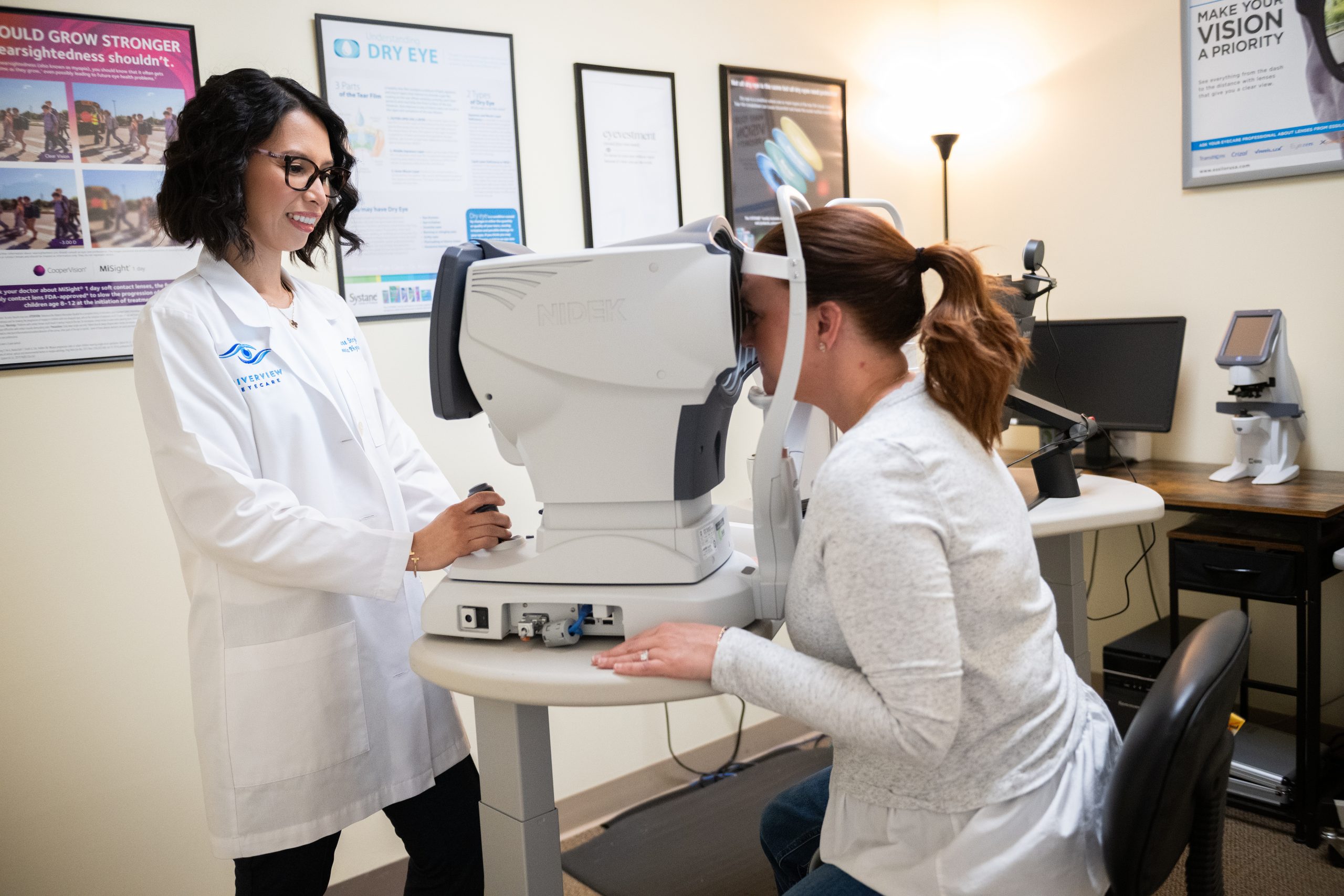
Your vision plays a crucial role in nearly every aspect of daily life—from reading and working to driving and enjoying time with family and friends. Yet many adults only schedule an eye exam when they notice vision problems. Regular eye exams are about far more than updating a glasses prescription. Annual eye exams help protect long-term vision, detect early signs of eye disease, and even identify broader health issues before symptoms appear.
At Riverview Eye Care, patients receive comprehensive eye examinations designed to maintain healthy vision and catch potential concerns early. If you haven’t had your eyes checked recently, an annual exam is one of the most important steps you can take for your eye health.
Why Annual Eye Exams Are So Important
Many eye diseases develop slowly and without noticeable symptoms in their early stages. By the time vision changes become obvious, the condition may already be advanced. Annual eye exams allow eye care professionals to monitor subtle changes in your eyes and intervene early when treatment is most effective.
Regular eye exams help:
- Detect eye diseases before symptoms appear
- Update vision prescriptions for optimal clarity
- Monitor eye health as you age
- Identify signs of systemic health issues such as diabetes or high blood pressure
- Protect long-term vision and quality of life
Your eyes are one of the few places in the body where doctors can directly observe blood vessels and nerves, making eye exams an important part of overall health monitoring.
Common Eye Conditions Detected During Annual Exams
Routine eye exams can detect several conditions early, often before patients notice any symptoms.
Glaucoma
Glaucoma is often called the “silent thief of sight.” It damages the optic nerve gradually and may not cause noticeable symptoms until vision loss has already occurred. Early detection allows treatment that can slow or prevent further damage.
Macular Degeneration
Age-related macular degeneration affects central vision and can make everyday tasks like reading or recognizing faces difficult. Regular monitoring helps identify early signs so treatment and lifestyle changes can be implemented.
Diabetic Eye Disease
People with diabetes are at higher risk of diabetic retinopathy, a condition that damages the retina’s blood vessels. Eye exams play a key role in detecting this condition early and preventing severe vision loss.
Cataracts
Cataracts cause clouding of the eye’s lens and often develop gradually with age. Early detection helps patients plan appropriate treatment before vision becomes significantly impaired.
Dry Eye Syndrome
Dry eye is common among adults, especially those who spend long hours on digital screens. An eye exam can diagnose the condition and recommend treatments to relieve discomfort and improve eye health.
Eye Exams and Your Overall Health
An annual eye exam doesn’t just assess your vision—it can reveal early warning signs of broader health issues.
During a comprehensive eye exam, eye doctors may detect signs of:
- Diabetes
- High blood pressure
- High cholesterol
- Autoimmune disorders
- Certain neurological conditions
Because blood vessels in the eyes can reflect changes happening elsewhere in the body, an eye exam can sometimes identify health concerns before other symptoms develop.
How Vision Changes with Age
As adults get older, natural changes occur in the eyes. These changes make regular monitoring even more important.
Common age-related vision changes include:
- Difficulty focusing on close objects (presbyopia)
- Increased sensitivity to glare
- Reduced night vision
- Higher risk of eye disease
Annual eye exams allow your eye care provider to track these changes and recommend solutions that keep your vision clear and comfortable.
What Happens During a Comprehensive Eye Exam?
A typical annual eye exam includes several tests designed to evaluate both vision and eye health.
Your exam may include:
- Visual acuity testing to determine how clearly you see
- Refraction testing to update your glasses or contact lens prescription
- Eye pressure measurement to screen for glaucoma
- Retinal examination to evaluate the health of the retina and optic nerve
- Evaluation of eye coordination and focusing ability
Your doctor will also discuss any symptoms, vision changes, or lifestyle factors that may impact your eye health.
Who Should Get Annual Eye Exams?
While everyone benefits from routine eye care, certain adults should be especially diligent about scheduling yearly exams.
You should prioritize annual exams if you:
- Are over age 40
- Have diabetes or high blood pressure
- Have a family history of eye disease
- Spend long hours using digital screens
- Wear glasses or contact lenses
- Notice changes in vision or eye comfort
Even if your vision seems fine, regular exams help ensure your eyes remain healthy.
Protecting Your Vision Between Exams
In addition to annual eye exams, healthy habits can help preserve your eyesight.
Tips for maintaining eye health include:
- Wearing UV-protective sunglasses outdoors
- Taking breaks from screens using the 20-20-20 rule
- Eating a balanced diet rich in leafy greens and omega-3 fatty acids
- Managing chronic health conditions such as diabetes
- Avoiding smoking
- Staying hydrated
Combined with routine eye exams, these habits help support long-term vision health.
Frequently Asked Questions (Q&A)
How often should adults get an eye exam?
Most adults should schedule a comprehensive eye exam once a year. Annual exams allow eye doctors to monitor vision changes and detect early signs of eye disease.
What if I don’t have vision problems?
Even if your vision seems perfect, eye diseases can develop without symptoms. Annual exams help catch these issues early before they cause noticeable vision loss.
Are eye exams only for glasses prescriptions?
No. While updating prescriptions is part of the process, comprehensive eye exams also evaluate the health of your eyes and screen for diseases.
Can an eye exam detect other health problems?
Yes. Eye doctors can sometimes identify signs of systemic conditions such as diabetes, high blood pressure, and high cholesterol during an eye exam.
What age should adults start annual eye exams?
Many eye care professionals recommend annual exams beginning in early adulthood, especially for individuals with risk factors such as family history or existing health conditions.
How long does an eye exam take?
Most comprehensive eye exams take about 30 to 60 minutes, depending on the tests performed and whether dilation is required.
Are annual eye exams covered by insurance?
Many vision insurance plans cover annual exams. Medical insurance may also cover exams if they are related to a health condition or eye disease.
What should I bring to my appointment?
Bring your current glasses or contact lenses, a list of medications, your insurance information, and any questions you may have about your vision or eye health.
Schedule Your Annual Eye Exam
Protecting your vision starts with regular care. If it’s been a year or more since your last eye exam, scheduling a visit can help safeguard your eye health and catch potential problems early.
Riverview Eye Care provides comprehensive eye exams for adults to help maintain clear vision and healthy eyes for years to come.
Riverview Eye Care
13135 Kings Lake Dr #101
Gibsonton, FL 33534
Phone: 813-498-1905