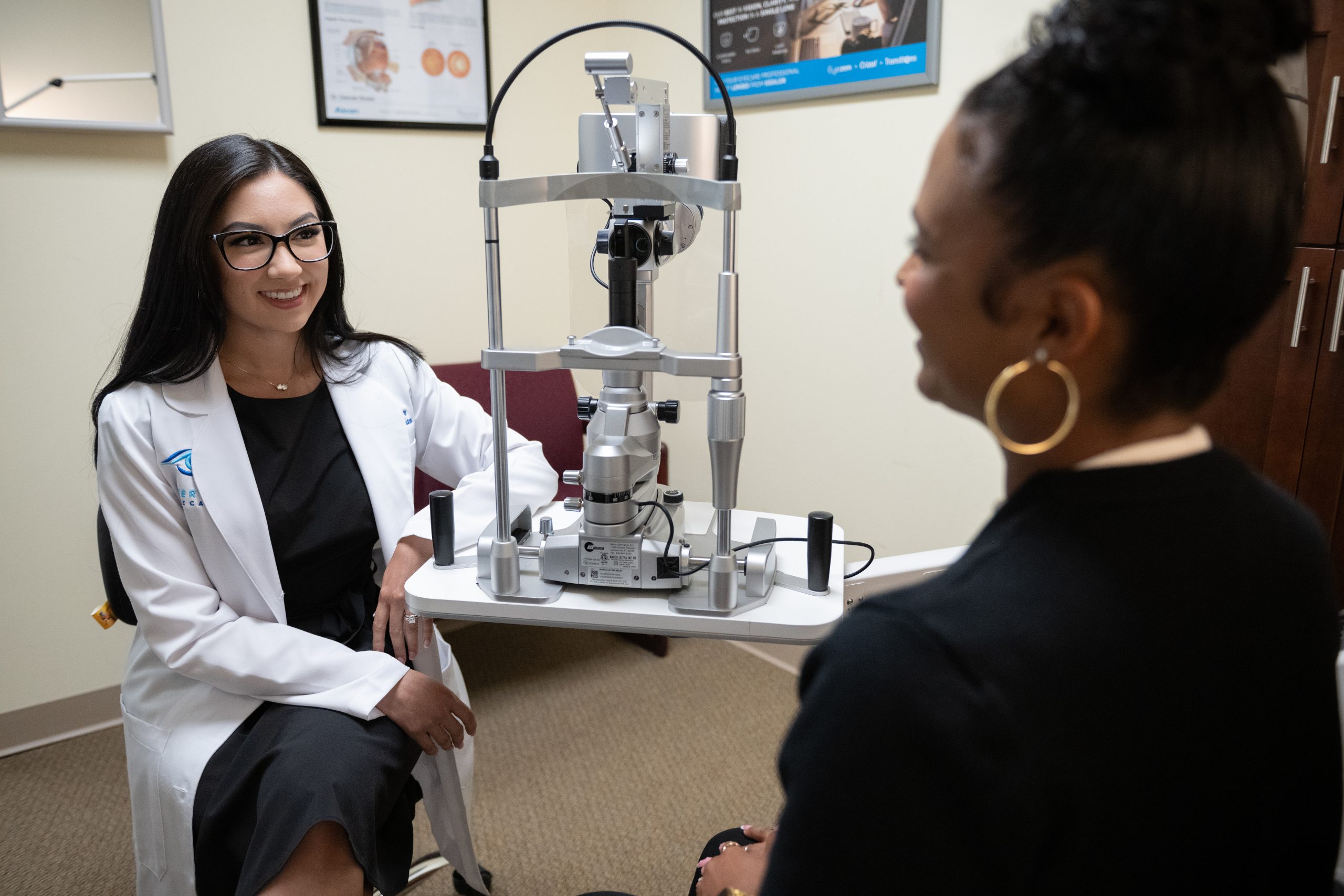
Glaucoma Screenings in Gibsonton & Riverview, FL
Glaucoma is one of the leading causes of irreversible blindness worldwide — and because it typically develops without pain or noticeable vision changes in its early stages, many people don’t know they have it until significant damage has already occurred. At Riverview Eye Care, we incorporate glaucoma screening into every comprehensive eye exam, using advanced technology to measure intraocular pressure, assess the optic nerve, and evaluate the visual field before symptoms arise.
Why Early Glaucoma Detection Matters
Glaucoma damages the optic nerve — the critical pathway that transmits visual signals from the eye to the brain. In most cases, this damage is caused by elevated intraocular pressure (IOP), though normal-tension glaucoma can occur even when pressure levels appear within a standard range. Because the peripheral visual field is typically affected first, patients often don’t notice functional vision loss until the disease has progressed significantly.
There is currently no way to reverse glaucoma-related optic nerve damage, which makes early detection and consistent monitoring essential. When caught in its early stages, glaucoma can be effectively managed with medications, laser therapy, or surgical intervention — preserving functional vision for life.
Who Should Be Screened for Glaucoma?
Certain factors increase the risk of developing glaucoma and warrant more frequent screening. These include age over 40, a family history of glaucoma, a personal history of elevated eye pressure, African or Hispanic ancestry, diabetes, hypertension, high myopia (nearsightedness), and long-term use of corticosteroid medications.
If you have one or more of these risk factors, we recommend discussing a more frequent evaluation schedule with your doctor. Learn more about how our comprehensive eye exams incorporate glaucoma risk assessment, or ask about our diabetic eye evaluations if diabetes is among your concerns.
What Our Glaucoma Screening Includes
Our screenings use state-of-the-art diagnostic technology to evaluate multiple indicators of glaucoma risk and disease presence:
- Intraocular pressure (IOP) measurement via tonometry
- Optic nerve head evaluation with stereoscopic fundus examination
- Retinal nerve fiber layer analysis using optical coherence tomography (OCT)
- Visual field testing when clinically indicated
- Pachymetry (corneal thickness measurement) to interpret IOP accurately
Frequently Asked Questions About Glaucoma Screenings
What is glaucoma and why is early detection so important?
Glaucoma is a group of eye diseases that progressively damage the optic nerve, most commonly due to elevated intraocular pressure. Because vision loss from glaucoma cannot be restored, early detection through routine screening is the most effective way to prevent permanent blindness. Treatment in the early stages can halt or significantly slow disease progression.
How often should I be screened for glaucoma?
Adults with no known risk factors should have intraocular pressure and optic nerve evaluation as part of their annual comprehensive eye exam. Patients with risk factors — including a family history of glaucoma, elevated IOP, or age over 60 — may benefit from more frequent evaluations. Your doctor at Riverview Eye Care will recommend the appropriate schedule based on your findings.
Is the glaucoma screening painful?
No. Glaucoma screenings are painless and non-invasive. Tonometry (eye pressure measurement) may involve a brief puff of air or light contact with the eye surface using a numbing drop, but most patients find the process very comfortable.
What happens if elevated eye pressure is detected?
Elevated IOP does not always mean you have glaucoma, but it is a significant risk factor that warrants further investigation. Your doctor may recommend additional testing — including visual field testing and OCT imaging of the optic nerve — to determine whether treatment or closer monitoring is needed.
Can glaucoma be treated once it’s detected?
Yes. While glaucoma cannot be cured and existing damage cannot be reversed, it can be effectively managed. Treatment options include prescription eye drops to lower intraocular pressure, laser procedures such as selective laser trabeculoplasty (SLT), and surgical interventions. The goal of treatment is to preserve your remaining vision.
Do I need a referral to be screened for glaucoma at Riverview Eye Care?
No referral is needed. Glaucoma screening is included as part of our routine comprehensive eye exams. Simply call (813) 498-1905 or request an appointment online to schedule your visit.
What is the difference between ocular hypertension and glaucoma?
Ocular hypertension means your intraocular pressure is higher than normal, but your optic nerve and visual field are not yet showing signs of damage. It is considered a risk factor for glaucoma rather than glaucoma itself. Patients with ocular hypertension are monitored closely and may be started on treatment depending on their overall risk profile.